(866) 227-3777
 Opening hours: Mon - Friday: 8:00am To 5:00pm


Solar Panel Installation & Maintenance

RedTail Mechanical & Electrical Inc. Solar Panel Installation & Maintenance
Utah averages more than 200 sunny days a year, which makes solar one of the most dependable ways to cut energy costs across the state. At RedTail Mechanical & Electrical Inc., our licensed electricians design, install, and maintain photovoltaic systems for industrial, commercial, and residential properties throughout Utah. Because solar is electrical work at its core, the same team that handles your panels can tie them into your service panel, your backup power, and your HVAC and refrigeration loads — one contractor, one point of accountability.
Solar for Every Property Type
A 2,000-square-foot house and a 200,000-square-foot distribution center need very different solar systems. We size, engineer, and permit each installation around the building it serves, its actual load profile, and the utility that meters it.
- Industrial Solar Systems - Large-scale rooftop and ground-mount arrays for manufacturing plants, warehouses, and processing facilities, engineered around three-phase service and heavy machinery loads
- Commercial Solar Systems - Rooftop, carport, and canopy arrays for office buildings, retail centers, restaurants, and multi-unit properties, designed to offset peak demand charges
- Residential Solar Systems - Roof-mounted and ground-mounted arrays for single-family homes, townhomes, and accessory dwellings, sized to your household's usage and roof orientation
- Battery Storage - Lithium storage that keeps critical loads running through outages and shifts production into expensive rate periods
- Ongoing Maintenance - Monitoring, cleaning, and inspection programs that protect production over the full life of the system
Our Solar Installation Services
RedTail Mechanical & Electrical Inc. handles solar projects end to end, from the first shade study through final utility interconnection:
Site Evaluation and System Design
Every installation starts with a detailed look at what your property can actually support:
- Energy Usage Analysis - Review of twelve months of utility bills and demand data to size the array correctly
- Roof and Structural Assessment - Evaluation of roof age, decking, membrane, and load capacity before anything is mounted
- Shading and Orientation Study - Analysis of azimuth, tilt, and seasonal shading to project realistic annual production
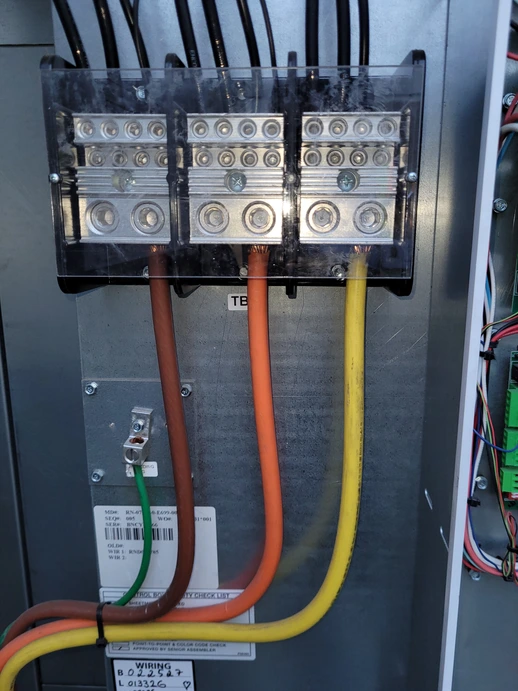
- Electrical Service Review - Verification that your panel, busbar, and service capacity can accept the interconnection
- Production and Savings Modeling - Clear projections of output, offset, and payback period before you commit
Permitting and Interconnection
Solar in Utah involves the building department, the fire code, and the utility. We manage all of it:
- Engineered Plan Sets - Stamped structural and electrical drawings prepared for your jurisdiction
- Building and Electrical Permits - Applications, plan review corrections, and inspection scheduling handled on your behalf
- Utility Interconnection - Applications and net metering agreements with Rocky Mountain Power and municipal utilities
- Incentive Documentation - Paperwork support for federal tax credits and available Utah incentive programs
- Code Compliance - Rapid shutdown, module-level electronics, labeling, and fire setbacks per current NEC requirements
Installation
Our crews install the racking, modules, and electrical infrastructure with the same standards we apply to every other system we touch:
- Racking and Mounting - Ballasted, attached, and ground-mount systems installed with flashed, watertight penetrations
- Module Installation - Tier-one panels set, torqued, and grounded to manufacturer specification
- Inverters and Optimizers - String inverters, microinverters, and module-level power electronics matched to the array
- Conduit and Wire Management - Properly supported, UV-rated runs from array to point of interconnection
- Service Panel Work - Panel upgrades, load-side and supply-side taps, and dedicated PV disconnects
- Battery and Backup Integration - Storage, transfer switches, and critical-load subpanels for outage protection
- EV Charger Integration - Charging infrastructure wired to run off your own generation
Solar Maintenance and Repair
Panels have no moving parts, but the system around them does — and output quietly degrades when nobody is watching. Our maintenance programs cover industrial, commercial, and residential arrays alike:
- Performance Monitoring - Ongoing production tracking with alerts when output falls below expectation
- Panel Cleaning - Removal of Utah dust, pollen, and winter grime that can cut production noticeably
- Annual Inspections - Torque checks, connector inspection, and visual review of modules, racking, and flashing
- Thermal Imaging - Infrared scans that find hot spots, failing diodes, and loose connections before they cause damage
- Inverter Service - Troubleshooting, firmware updates, and replacement of failed inverters and optimizers
- Panel Replacement - Swapping modules damaged by hail, wind, or manufacturing defect, with warranty claim support
- Wildlife and Debris Guards - Critter guards and screening that keep birds and rodents out from under the array
- Roof Work Coordination - Panel removal and reinstallation when the roof beneath needs repair or replacement
Our Solar Process
1. Consultation and Site Assessment
We start with your utility history and a walk of the property — roof, service equipment, and available space. For industrial and commercial clients that includes demand charge analysis; for homeowners it means an honest look at whether your roof and usage justify the investment.
2. System Design and Proposal
You receive a specific design: array layout, module and inverter selection, projected annual production, and a full cost breakdown with incentives applied. We explain the tradeoffs rather than pushing the largest possible system.
3. Permitting and Approvals
We prepare the engineered plan set, pull building and electrical permits, and file the utility interconnection application. You do not chase paperwork.
4. Professional Installation
Our licensed electricians install the array and tie it into your electrical service, working around your operating hours to keep disruption minimal. Most residential systems finish in one to three days; commercial and industrial timelines depend on scope.
5. Inspection and Commissioning
We walk the system through municipal inspection and utility permission to operate, then commission it, verify production against the model, and show you how to read your monitoring.
6. Ongoing Maintenance
After the system is live, our maintenance plans keep it producing. We monitor output, service the hardware on schedule, and handle warranty claims when a component fails.
Benefits of Going Solar in Utah
Lower Energy Costs
Solar replaces a variable utility expense with a fixed, predictable one. Industrial and commercial properties often see the largest gains, because shaving peak demand cuts both consumption and demand charges.
Protection Against Rate Increases
Utility rates rise over time. A solar array locks in a portion of your generation cost for 25 years or more, insulating your budget from future increases.
Tax Credits and Incentives
Federal tax credits, accelerated depreciation for businesses, and available Utah incentive programs can substantially reduce net system cost. We provide the documentation your accountant needs; we do not offer tax advice.
Backup Power
Paired with battery storage, solar keeps critical loads running through outages — refrigeration, server rooms, medical equipment, well pumps, and heating controls.
Increased Property Value
An owned, well-maintained solar array adds measurable value to homes and commercial buildings alike, and makes a property more attractive to energy-conscious buyers and tenants.
Sustainability Goals
For businesses working toward emissions targets or reporting requirements, on-site generation is a direct, documentable reduction — and one that pays for itself.
Properties We Serve
Our solar work spans the full range of Utah properties:
- Manufacturing Facilities - Large arrays offsetting heavy, continuous process loads
- Warehouses and Distribution - Wide, unobstructed roofs that make excellent solar platforms
- Office Buildings - Rooftop and parking canopy systems that cut daytime demand
- Retail and Restaurants - Solar paired with the refrigeration and HVAC loads that drive those bills
- Agricultural Operations - Ground-mount arrays for irrigation pumps, barns, and outbuildings
- Single-Family Homes - Roof and ground-mount systems sized to household usage
- Multi-Family Properties - Common-area and tenant-metered systems for apartments and condominiums
Why Choose RedTail Mechanical & Electrical Inc. for Solar
- Licensed Electricians - Solar is electrical work. Our crews are licensed, insured, and installing electrical systems every day, not just panels.
- Whole-Building Perspective - We also service your HVAC, refrigeration, and electrical systems, so we size solar against loads we actually understand.
- Industrial, Commercial, and Residential - Same standards and same crews across every property type we serve.
- Code Compliance - Every installation meets current NEC and Utah electrical code requirements, with full inspection documentation.
- Long-Term Support - Maintenance plans and warranty support long after the array is commissioned.
- Straight Answers - If solar is not a good fit for your roof, your shading, or your usage, we will tell you.
Get a Solar Assessment
Whether you are running a manufacturing plant, a restaurant, or a family home, we can tell you what solar would actually produce on your property and what it would cost. Contact RedTail Mechanical & Electrical Inc. today to schedule a consultation for solar panel installation or maintenance anywhere in Utah.